March 4, 2026
Improving the exterior of a property is one of the most reliable ways to build long-term equity, increase curb appeal, and create outdoor spaces that feel welcoming and well cared for. Buyers and appraisers often evaluate homes based on their first impression, and upgraded outdoor areas frequently communicate pride of ownership. Landscaping projects do more than dress up a yard; they support functionality, reduce maintenance burdens, and provide usable areas for everyday living. When thoughtfully planned, these improvements can yield both immediate enjoyment and measurable financial return.
Homeowners sometimes assume that outdoor projects must be large or expensive to make an impact. In reality, many enhancements can be scaled to different budgets, completed over time, and guided by practical goals such as shade, privacy, and accessibility. The key is to choose projects that complement the property, work with the climate, and improve visual balance. The following sections explore several landscaping strategies that reliably contribute to home value while improving comfort and livability.
Enhancing Curb Appeal With Front-Yard Upgrades
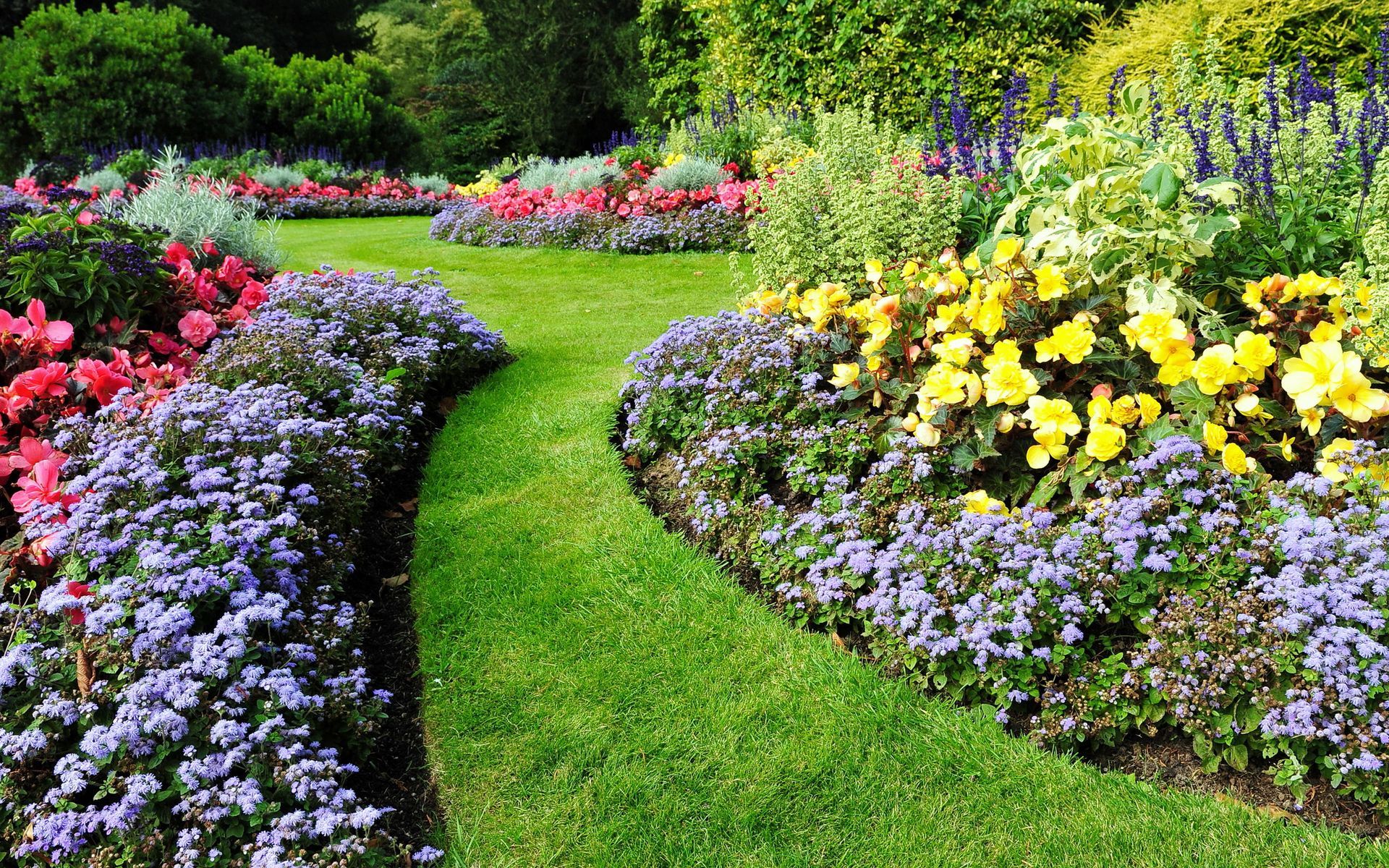
First impressions begin at the curb, and even modest front-yard changes can transform how a property is perceived. Fresh edging around flower beds, updated walkways, trimmed shrubs, and healthy turf collectively signal that the home is cared for. Adding layered plantings—such as a mix of shrubs, perennials, and seasonal color—creates depth and texture. These elements frame the home, draw the eye toward architectural features, and help the front entrance stand out.
A well-designed front-yard landscaping plan also improves navigation. Clear sightlines to the front door, well-lit paths, and defined borders help visitors move safely and comfortably. Replacing cracked concrete paths with pavers or stone can elevate appearance while improving drainage and footing. Mulch, meanwhile, adds contrast, retains soil moisture, and suppresses weeds, reducing the amount of time owners spend maintaining the yard.
Even small choices have ripple effects. Selecting native plants often leads to lower watering needs, fewer pest issues, and healthier growth. These improvements can subtly increase property value, because prospective buyers see a yard that will be easier to maintain. Including landscaping updates in the front yard ensures that the home’s exterior sets an appealing tone before anyone steps inside.
Creating Functional Outdoor Living Spaces
Backyards increasingly function as extensions of the home, offering areas for dining, relaxation, and entertainment. Adding a patio, deck, or defined seating area can make a property feel larger and more versatile. When designed with both comfort and durability in mind, these outdoor living zones often become focal points for family gatherings and social events.
Thoughtful landscaping integrates these spaces with the natural surroundings. Shade trees, pergolas, and strategically placed plant beds soften hard surfaces and create transitions between built features and lawn areas. Outdoor kitchens, fire pits, and cozy conversation zones add elements of luxury and convenience, helping owners maximize the use of their yard throughout multiple seasons.
Market trends show that exterior living areas continue to rank high on buyer wish lists. This demand is reflected in the broader industry as well. According to IBISWorld, approximately 726,565 landscaping businesses are operating in the United States as of January 1, 2025. The prevalence of these services suggests that homeowners increasingly recognize the value of curated outdoor environments. When outdoor living sections are carefully designed, they blend practical use with aesthetics, directly supporting higher perceived property value.
Improving Privacy and Shade With Trees and Plantings
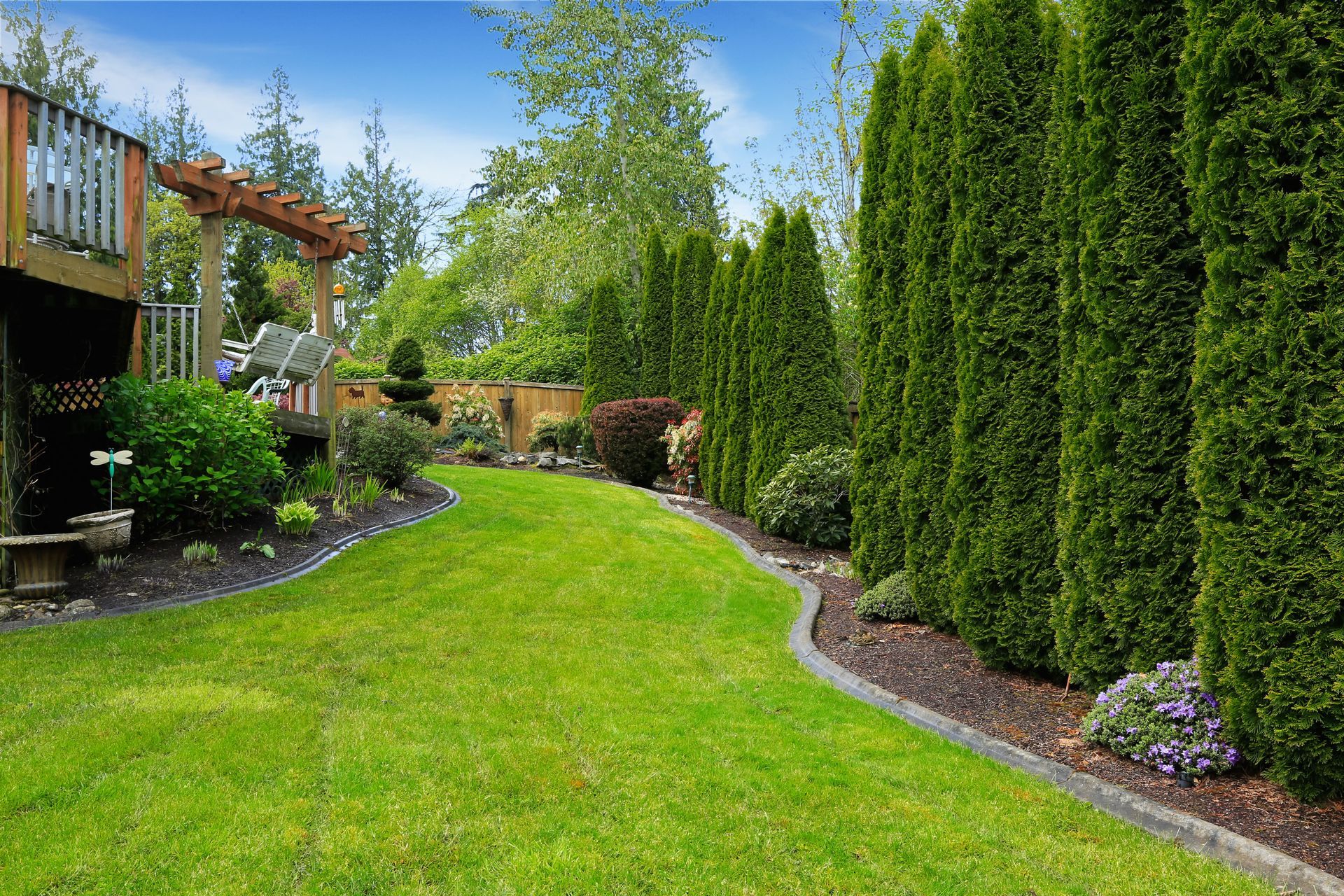
Privacy and shade contribute immeasurably to comfort, energy efficiency, and property appeal. Mature trees, hedges, and layered plantings provide screening from neighboring properties and street traffic while also dampening noise. Well-placed trees help cool the home naturally by blocking direct sunlight, reducing HVAC strain during warm months and potentially lowering energy costs.
Choosing tree species appropriate to the climate and yard size is crucial. Overly large varieties can interfere with foundations, underground lines, or roof structures. A professional assessment often helps ensure that root systems are manageable and that trees are planted at safe distances. Combined with understory shrubs and ground cover, tree installations create lush, cohesive outdoor environments.
In the context of landscaping value, shade trees are among the few improvements that continue to appreciate as they mature. Buyers often view established plantings as assets that take years to replicate. Additionally, trees support sustainability by improving air quality, creating habitats for wildlife, and reducing stormwater runoff. Investing in strategic tree placement is therefore both an ecological and economic decision.
Increasing Efficiency With Water-Wise Designs
Water management plays a critical role in cost control and environmental responsibility. Homeowners in many regions face restrictions or higher utility rates, making water-wise design an appealing upgrade. Xeriscaping, rain gardens, and drip-irrigation systems allow yards to remain attractive while consuming fewer natural resources.
Xeriscaping focuses on drought-resistant species that require minimal watering once established. Rock features, decorative gravel, and mulch replace large expanses of thirsty turf. Meanwhile, rain gardens capture runoff and allow it to filter into the ground rather than flow toward storm drains or foundations. These features protect soil health and help prevent erosion.
Drip irrigation efficiently delivers moisture directly to plant roots, minimizing evaporation and overspray. Paired with smart controllers, these systems can adjust watering based on weather conditions. From a real estate perspective, water-efficient landscaping demonstrates foresight and modern stewardship. Buyers increasingly view sustainable features as long-term cost savers and quality-of-life upgrades, making them attractive additions to a property portfolio.
Strengthening Property Boundaries With Hardscaping Elements
Hardscaping refers to structural outdoor features such as retaining walls, pathways, fences, and decorative stonework. These elements create definition, improve functionality, and solve practical issues like slope control and drainage. Retaining walls, for example, make previously unusable areas level and stable enough for gardens, patios, or play spaces.
Pathways guide foot traffic and prevent wear on lawns. When constructed with pavers or natural stone, they add architectural character and durability. Fences enhance security and privacy while establishing clear property lines. In some cases, tasteful gate or entry features reinforce a sense of welcome and organization.
When integrated into larger landscaping designs, hardscaping communicates permanence. Quality materials age gracefully and require minimal upkeep, appealing to buyers who prefer low-maintenance outdoor environments. Because these structures serve both aesthetic and functional purposes, they often deliver strong returns when it comes time to sell.
Supporting Long-Term Health With Seasonal Care and Maintenance
Even the best-planned yard loses value without regular upkeep. Ongoing maintenance ensures plants remain healthy, soil stays nutrient-rich, and structures retain their integrity. Seasonal services such as pruning, fertilizing, aeration, and leaf removal preserve grass density and prevent disease. Consistent care also keeps shrubs and trees proportionate to the space.
Routine landscaping maintenance has cumulative benefits. Preventive pruning reduces the likelihood of storm-related damage, while periodic mulching shields roots and improves moisture retention. Weed control preserves the appearance and vitality of plant beds. Regular inspections of irrigation systems help homeowners catch leaks early, preventing waste and landscape deterioration.
From a value perspective, buyers often consider neglected yards as hidden costs. They may assume they will need to invest heavily to restore curb appeal, potentially lowering their offer price. By contrast, a yard that shows evidence of recurring care reassures prospective owners that the property has been managed responsibly. Establishing a reliable maintenance plan protects the initial investment in landscaping and supports the home’s long-term market position. Call BackYard Landscaping today to schedule your landscaping or maintenance service.